
Returns Available
Re-stocking charge may apply
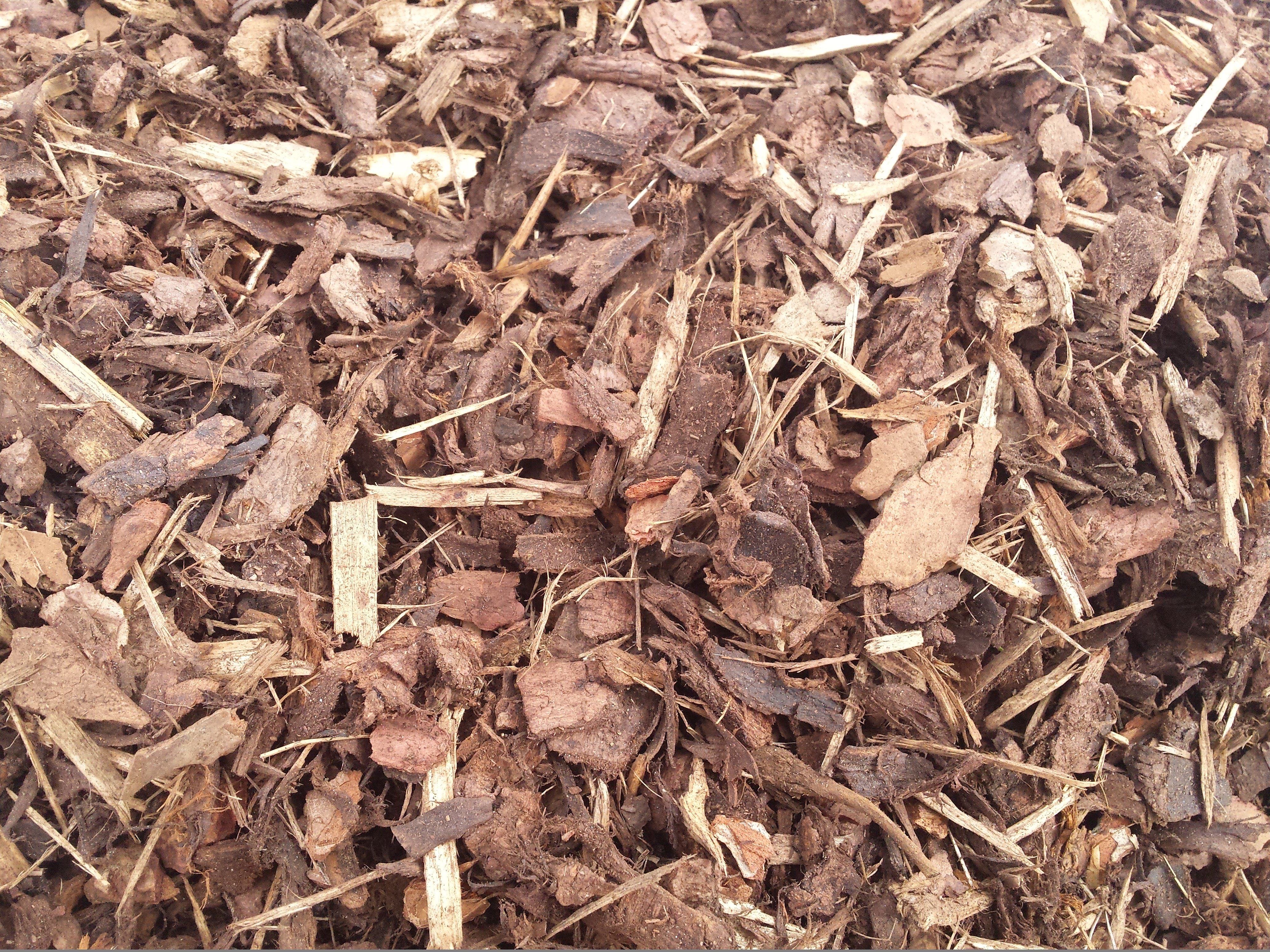
Mulch is the term used for covering soil and flower beds with a material either organic or inorganic for the benefit of the soil. Here we look at why we mulch, what options there are and how to use it.
Why use a mulch?
Adding nutrients to the soil, as the mulch breaks down it releases nutrients back into the ground, for this reason make sure you are using the right kind of mulch for the plants you have growing, for example pine needle mulch can increase the acidity level of the soil which is perfect for ericaceous plants like blueberries and azaleas but not for roses and lavender which may not thrive in more acidic gardens.
Moisture retention – As you add mulch to a garden you are creating a barrier for the moisture to escape therefore retaining more of that moisture in your soil. Ideal for the hotter summers and hose pipe bans we are experiencing on a more regular basis.
Weed suppression - Those pesky weeds are going to find it harder to break through a mulch barrier so ultimately you will end up with less weeds and your beautiful plants will benefit from not having to fight with these unwanted competitors.
Aesthetics – With an array of choice in garden mulches you can make this part of your gardens design, gravel comes in all shapes and colours to help you create designs from chic modern to traditional and unique. There is a lovely choice of barks and woodchip out there too for a really natural look that can bring a whole garden design together.
Which mulch do I choose?
There are many types of mulch available, your choice will depend on what benefits you are looking for along with cost and aesthetics.
Woodchip – a chunky natural mulch that will last a few years, this will naturally decompose enriching the soil as it does, ready for topping up. Available in a range of different woods to suit your garden.
Bark mulch – similar to woodchip this natural mulch can be brought more shredded for a more natural look, this will also breakdown into the soil enriching it for healthier happier plants.
Compost – Considered to be an excellent choice for a garden mulch to improve your soil quality as well as all the other benefits of mulching your garden. Packed with nitrogen, potassium and phosphorus gradually feeding your garden, nourishing plants and creating stunning displays your neighbours will marvel over! (This maybe overselling it but compost really is amazing stuff!)
Maize and Meadow Mulch – A blend of maize, rye and barley creates a nutrient rich compost mulch. Boosting the soil structure and breaking down heavy soil slugs hate it and worms love it, like compost it can also be used as a soil conditioner. This is a super boost to your garden for amazing healthy plants.
Pine needles – A great choice for more acidic soils, although it would take a lot to change the PH balance of your soil so spreading your Christmas tree pine needles over your garden wont hurt anything. As we said above it is great for ericaceous plants like blueberries and azaleas.
Straw – Again a great choice for acidic soil, you often see straw used to mulch strawberry plants, this will break down quickly and need replacing more regularly.
Leaf mulch – This can be a great free mulch if you have plenty of trees! Some people prefer to collect a pile of leaves and roll over them with a lawn mower to shred them up before using them on the garden, you can also create leaf mould by doing this and keeping them in plastic bags for a year or two, this makes a great soil conditioner.
Grass clippings – Can be great for moisture retention, weed suppression and soil fertility but be careful and use sparingly, fresh clippings can produce a smell as they decompose and too much can lead to thatch buildup which can harm plant roots.
Rubber mulch – Commonly used in playgrounds rubber mulch does not decompose and add nutrients to the soil, but can last for over a decade making this a cost effective option in the long run. Use with a weed suppressant matting to avoid loss into the soil.
Stone mulch – Like rubber this does not decompose so is cost effective but should be used with a weed suppressant matting to avoid loss. Gravel comes in many sizes and colours so you can use this to really enhance a garden design, helping to incorporate your borders into your paving design by using complimentary colours.
Black plastic – Used in some agriculture black plastic sheeting prevents sun from reaching the soil therefore killing weeds, it is also used to raise the temperature of the soil ready for planting. Mainly used for food production to help with water retention you have to be careful not to burn more delicate plants in the height of the summer.
When and how do I use mulch?
You can add a mulch to your garden at any time of year but to get the best out of it more gardeners do this at the beginning of the year before the weeds and hot weather take hold.
Prepare your soil by weeding and removing any dead or rotten plants/leaves. If the soil is very dry take the opportunity to give it a good watering before adding the mulch giving your garden a head start at moisture retention.
If you are using rubber or gravel you will first want to lay a sheet of weed suppressing material to the ground, this will stop your mulch being incorporated into the soil and being lost. Generally speaking mulch in pots does not need matting as there is less movement in the soil and less likelihood of loss.
Add the mulch at 2-4 inches deep, any mulch is better than no mulch but to get the maximum benefits this is the recommended amount.
As the mulch decomposes you will need to top, usually once as year is a good rule of thumb to replace what has been lost and to maintain the effectiveness of all your hard work.
Happy gardening!
Re-stocking charge may apply
We can help with seasonal planning
Quick personalised delivery from your local depot
Call or Email for expert advice